New Bike Repair Station Installed at Birchwood Park After Community Push
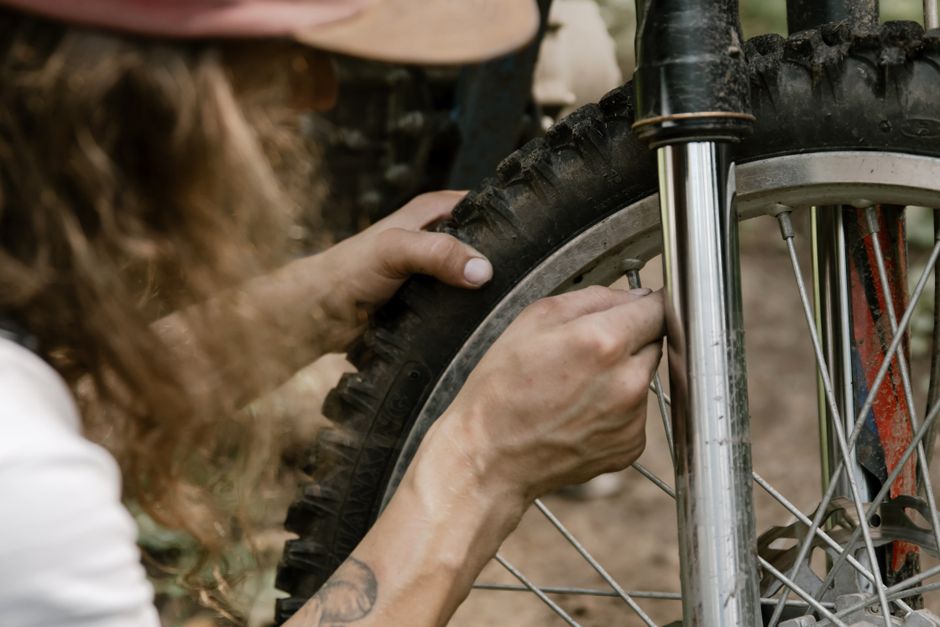
Cyclists rolling through Birchwood Park now have a helping hand when something goes wrong. A new self-service bike repair station has been installed along the main trail near the east entrance, giving riders access to the tools and air they need to fix a flat, tighten a loose seat, or make a quick adjustment without cutting a ride short.
The station is a sturdy metal kiosk with a set of tethered tools, including hex wrenches, screwdrivers, tire levers, and a couple of pedal wrenches, plus a floor pump for tires. It's mounted on a concrete pad and designed to be used standing up, with a bracket that holds a bike frame steady while you work. It's free to use and open whenever the park is open.
How the Project Came Together
The idea started with a conversation among a handful of regular riders who kept running into the same problem: a minor mechanical issue turning into a long walk home. One neighbor, who commutes by bike and often rides through the park, started bringing a small toolkit on group rides and eventually floated the idea of a permanent station. From there, a small group of volunteers began looking into what it would take.
They researched commercially available repair stations, compared designs, and talked with parks staff about the best location. The spot near the east entrance was chosen because it's close to a busy trail junction, has room for a concrete pad, and sits in a well-lit area that's easy to find. Funding came together through a mix of small donations, a neighborhood fundraiser, and support from a local bike shop that also offered to help with installation.
Parks staff handled the groundwork and mounting, and volunteers helped spread the word. The whole project took several months from first conversation to finished kiosk, a timeline that organizers say felt slow at times but was worth it. "We wanted to do it right, not just fast," one volunteer said, noting that getting the location and mounting correct would matter more than rushing the installation.
What It Means for Riders
For casual riders, the station is a safety net. A slow leak, a slipping chain, or a rattling bolt no longer means abandoning a ride. For commuters, it's a small but meaningful piece of infrastructure that makes biking a little more reliable. And for families teaching kids to ride, it's a place to make quick fixes without packing a full tool bag.
There are a few things to keep in mind. The tools are tethered, so they can't be taken away from the station, and they're meant for basic adjustments rather than major repairs. If a tool goes missing or breaks, users are encouraged to report it so it can be replaced. The pump is designed for standard valves, and riders with unusual setups may still want to carry their own adapter.
Organizers are already thinking about what comes next. Ideas include a second station on the west side of the park, a small information panel with trail maps and emergency contacts, and a periodic "bike clinic" where volunteers help neighbors with basic maintenance. None of that is confirmed yet, but the response to the first station has been encouraging.
If you use the station, take a moment to leave it as you found it, and if you spot a problem, say something. Small pieces of shared infrastructure like this only work when the community looks after them. And if you see one of the volunteers who helped make it happen, a quick thank you goes a long way.